Dana Fischer · 2 September 2026
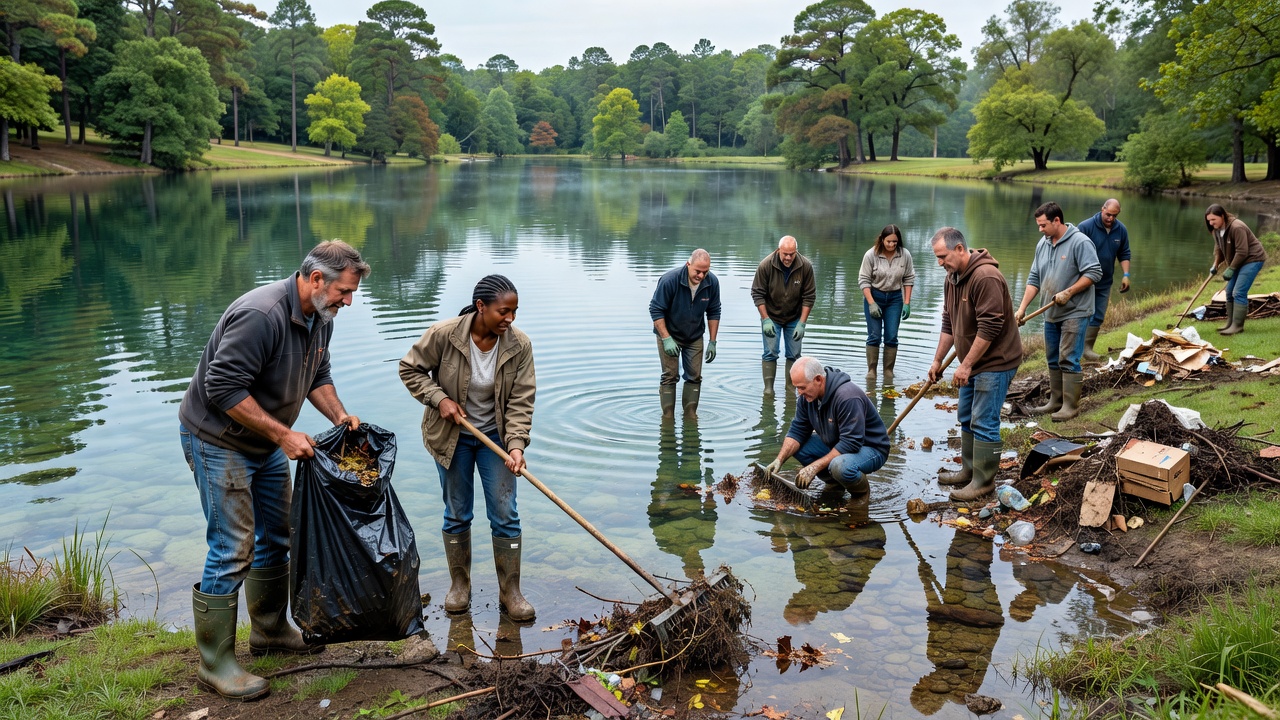
Following a powerful storm that struck the region, Clear Pond experienced a notable decline in water clarity due to increased sediment load from surrounding watersheds. Community members quickly organized to counteract the effects, drawing on local knowledge and resources to implement effective restoration strategies. The effort not only improved the pond's appearance but also supported its ecological health.
Evaluating the Effects of the Storm
The storm's intensity led to substantial erosion, with rainwater carrying fine particles and debris directly into the pond. This sedimentation reduced visibility to less than one meter in some areas, hindering photosynthesis for aquatic plants. Biologists noted changes in dissolved oxygen levels and potential shifts in the food web affecting invertebrates and fish. Long-term monitoring stations were set up to track recovery metrics including pH, temperature, and nutrient concentrations. Without intervention, the pond risked eutrophication, which could have lasting negative consequences for biodiversity. The affected area spanned several acres, requiring coordinated efforts across multiple access points to fully assess impacts on the ecosystem.
Local schools and conservation clubs participated in data collection, providing valuable insights into the pond's condition before and after the event. Historical records indicated that similar storms in the past had required months for natural recovery, underscoring the importance of proactive measures.
Implementing Effective Recovery Measures
Volunteers focused on source control by reinforcing banks with native plants known for their root systems that bind soil effectively. Mechanical removal of floating debris was combined with the application of eco-friendly flocculants to settle suspended solids. Weekly water testing showed a steady decrease in turbidity, achieving an 85 percent improvement within four weeks. The project also included public awareness campaigns about reducing runoff through proper landscaping. Results demonstrated enhanced habitat suitability for species such as bass and waterfowl. This successful restoration serves as a model for other communities facing similar environmental challenges, emphasizing collaboration between citizens, scientists, and authorities. Ongoing maintenance plans will ensure sustained clarity and ecological balance in the years ahead.