Felix Vogel · 2 September 2026
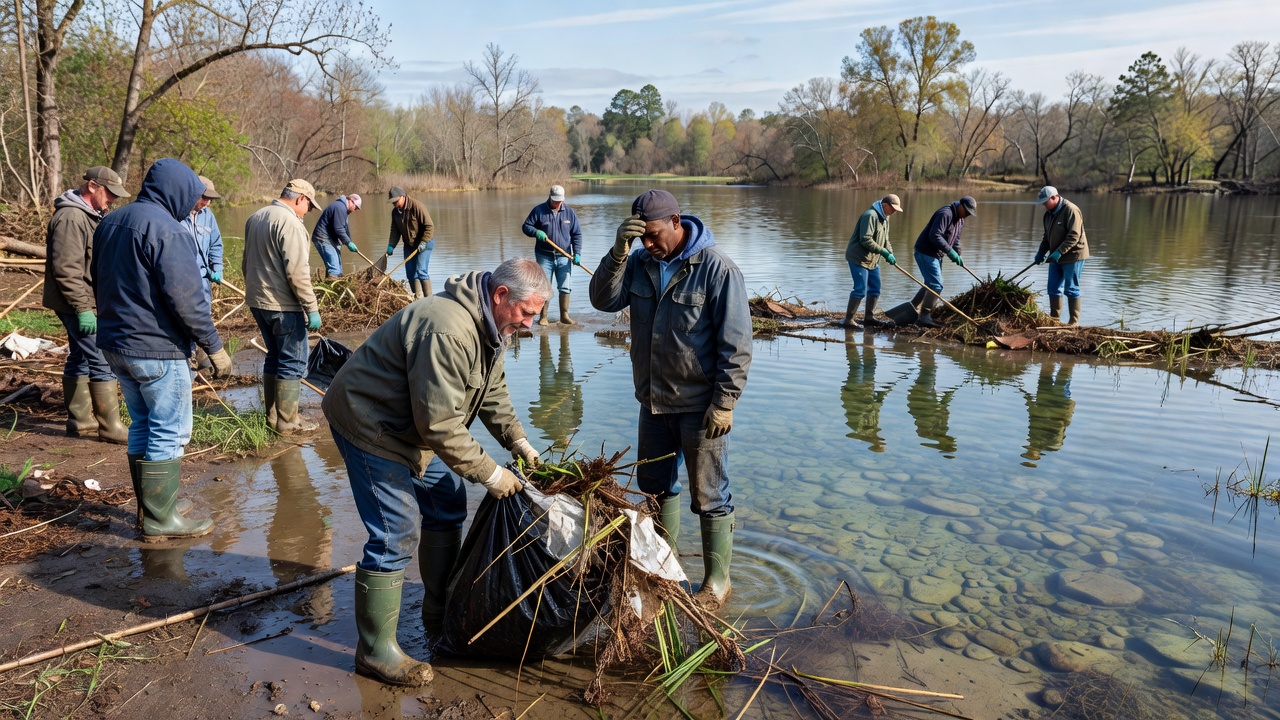
After intense rainfall from a recent storm system, Clear Pond experienced a notable decline in water clarity due to increased sediment deposition from surrounding lands. Local community members quickly mobilized to address the issue, partnering with ecology experts to implement restoration strategies aimed at returning the pond to its previous state of health and balance. The collaborative approach involved various stakeholders including residents, scientists, and local government representatives who shared resources and knowledge to tackle the problem efficiently.
Assessment of Storm Damage
The storm led to substantial erosion in the watershed area, washing tons of soil into the pond over a short period. This resulted in elevated turbidity that affected aquatic plant growth and fish habitats by limiting sunlight and altering water chemistry. Initial surveys indicated a 70 percent reduction in light penetration, which is critical for photosynthesis in submerged vegetation and overall ecosystem productivity. Teams conducted bathymetric mapping to identify sediment accumulation zones and prioritize areas for intervention.
Regular testing revealed higher levels of phosphorus and nitrogen, prompting immediate action to mitigate algal bloom risks that could further degrade water quality. Community volunteers logged over 500 hours in the first phase of cleanup operations, removing visible debris and installing temporary barriers.
Implementation of Recovery Strategies
Restoration included the deployment of floating wetlands to filter pollutants and the reinforcement of shorelines with coir logs and native grasses that help bind soil in place. Dredging was avoided in favor of natural remediation techniques to preserve the pond's ecological integrity and avoid disturbing the bottom sediments unnecessarily. Follow-up assessments showed a steady increase in clarity, reaching pre-storm levels in targeted areas within a matter of weeks through consistent effort.
Public engagement played a key role, with schools participating in water sampling programs that educated students about local ecology while gathering valuable data. Data collected has been shared with regional environmental agencies for broader conservation planning and to contribute to scientific understanding of storm impacts. The success demonstrates how collective efforts can effectively counter the impacts of extreme weather on freshwater ecosystems and promote resilience.
Overall, the project has enhanced biodiversity, with increased sightings of native species returning to the area. Continued vigilance is recommended to maintain the improvements achieved through these dedicated community actions and prevent future degradation from similar events.